Running Gait Analysis & Expert Shoe Fitting in St. Louis
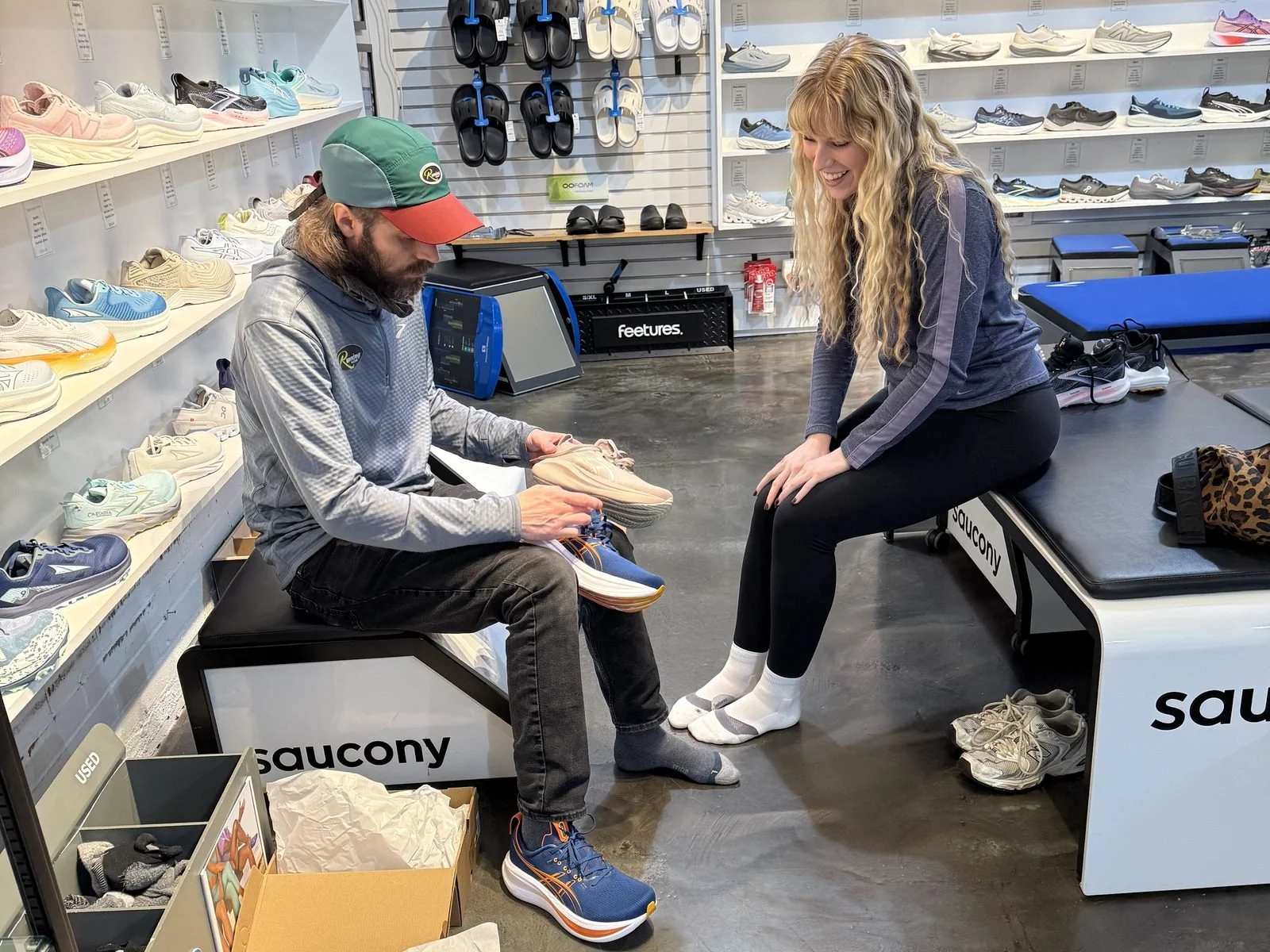
Running Niche provides complimentary gait analysis and expert shoe fitting at our specialty running store in the Botanical Heights neighborhood of St. Louis. Every runner is different. Variables include arch and foot type, weight, biomechanics, surfaces, mileage and goals. Our mission with every gait analysis and shoe fitting is to ensure each runner leaves our store with the right shoe for their unique feet, biomechanics and mileage needs. Walk-ins are always welcome.
What is running gait analysis?
A gait analysis is an assessment of how you walk and run. Every runner has a unique biomechanical pattern, including foot type, how the foot strikes the ground, how the ankle rolls inward or outward, and where the weight shifts through each stride. These patterns directly affect which shoes will support you best and which ones could lead to discomfort or injury.
At Running Niche, gait analysis is built into every shoe fitting we do. It's not an add-on or an upsell. It's how we believe shoe fitting should work.
What to expect during your shoe fitting
When you come in for a gait analysis and shoe fitting at Running Niche, here's how the process works:
We start with a conversation. We ask about your running history, your goals, any injuries or problem areas, the surfaces you run on, and how many miles you're logging per week. A trail runner training for an ultramarathon has very different needs than someone walking three days a week for fitness. This context matters.
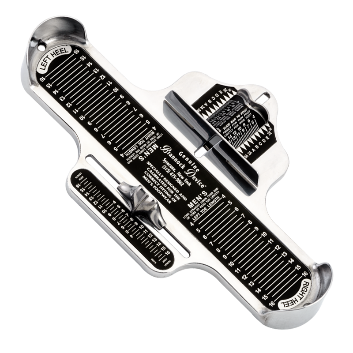
We assess your feet. Using the industry standard Brannock device, we measure the heel to toe length of each foot and the arch length from heel to ball. Both of these measurements are taken into consideration when assessing proper size. We also evaluate your arch height and how your foot functions when it's bearing weight versus when it's not. Each running shoe fits differently, so there is "art" involved as well as the literal size shown on the Brannock device.
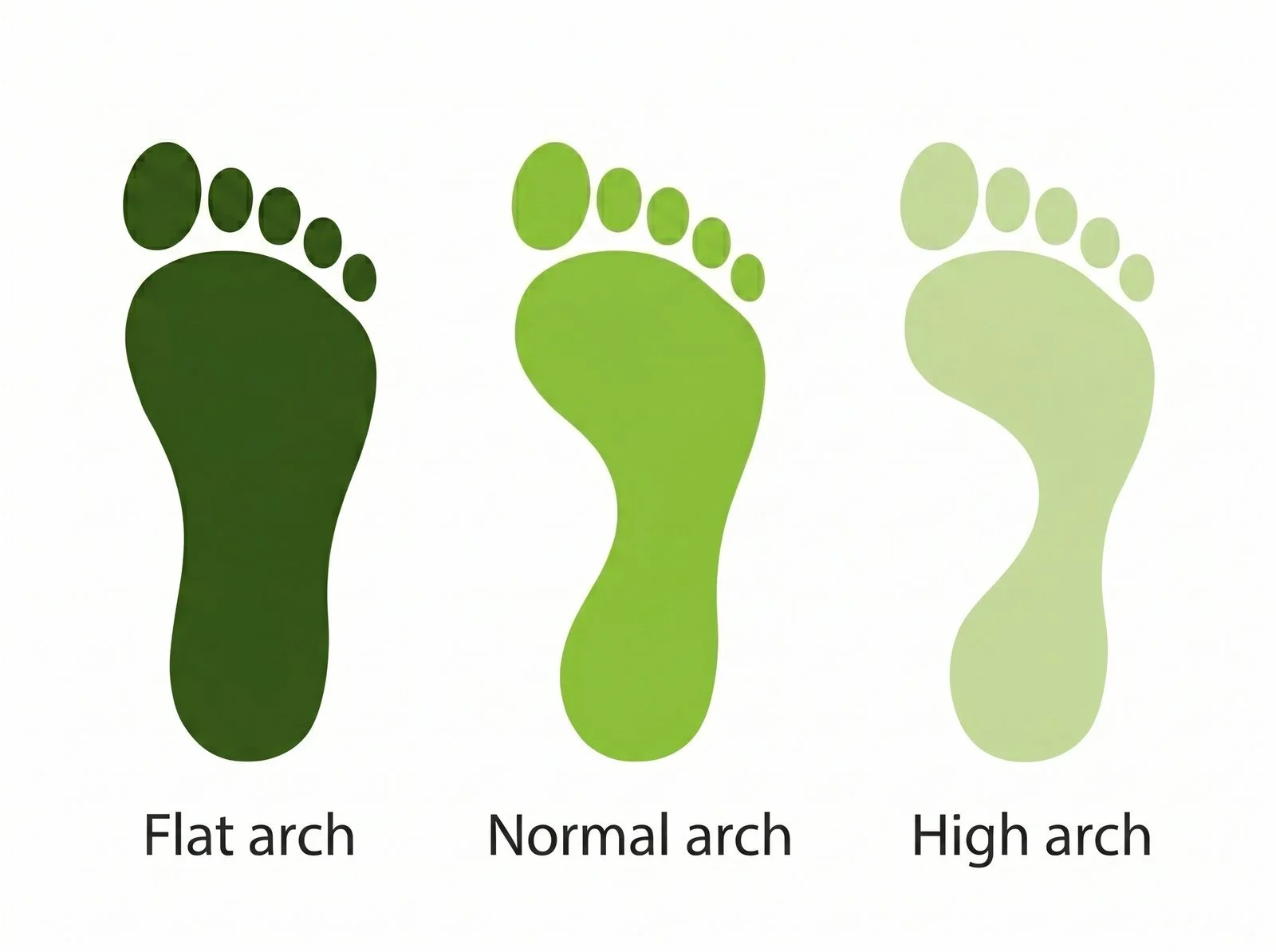
We determine your foot type. Foot types generally fall into three categories: low arch/flat feet, normal/neutral arch, and high arch. Once foot type is established, understanding how it impacts gait is important. A neutral arch type requires a shoe that is well cushioned and flexible. A low arch may mean the runner overpronates and could benefit from a shoe with additional medial support. A high arch usually means the runner supinates and rolls outward, requiring specific shoe attributes that allow the foot to move naturally. This is why it's important to bring in your last pair of running shoes for analysis, as the outsole wear pattern tells us a lot.
We watch you move. This is the core of our gait analysis. We observe your walking and running gait to identify your pronation pattern, foot strike, cadence and any differences between your left and right sides. We have a commercial grade treadmill in store and we allow folks to run in the shoes on the sidewalk in front of our store to get a feel for the shoes. We watch carefully so we can gauge how the foot is interacting with the shoe and decide if it's a good match.

We recommend shoes based on what we see. Drawing on what we've learned about your biomechanics, goals and preferences, we pull several options for you to try. Each running shoe is made on a "last," a shape that dictates the dimensions of the heel, midfoot, ball girth and toe box. We carry shoes across different last types, cushioning levels and drops so we can match what we see in your gait to the right shoe. We generally find we have several options for each runner.
In the end, it all comes down to fit and feel. Our goal is to match you with running shoes that complement your natural movement pattern. You leave with shoes that fit your stride, not just your foot size.
How running shoes are built to fit your foot
Understanding a few key terms makes the shoe fitting process easier to follow. Every running shoe is built on a "last" -- a mold that shapes the heel, midfoot, ball girth and toe box. Lasts fall into three types that map to foot type: straight lasts for overpronators, semi-curved lasts for neutral arches, and curved lasts for supinators. Getting the last right is the starting point for proper fit.
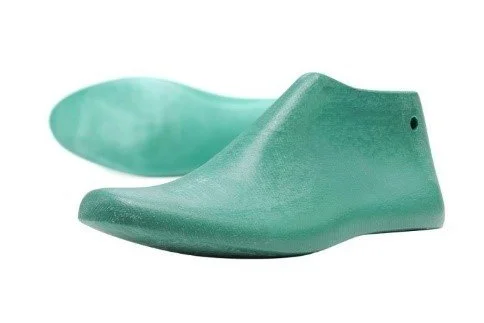
Lasts fall into three types that map to foot type: straight lasts for overpronators, semi-curved lasts for neutral arches, and curved lasts for supinators. Getting the last right is the starting point for proper fit.

Stack height refers to the thickness of the shoe from the ground to the foot -- measured in millimeters at both the heel and forefoot. Drop is the difference between those two numbers. A 10mm drop means the heel sits 10mm higher than the forefoot, which affects how the foot loads through the stride. A 0mm drop places heel and forefoot at the same level. Different drops suit different runners, and finding the right one is part of what we assess during your fitting.
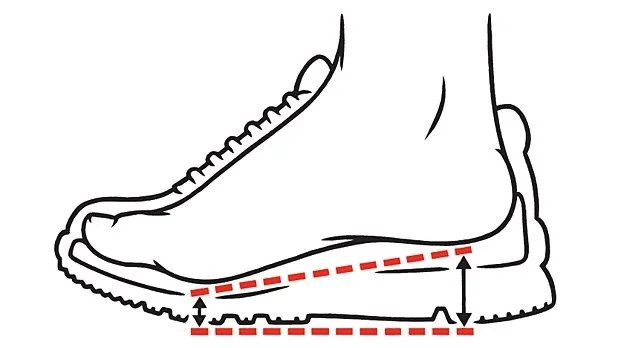
Midsole density, cushioning material and outsole durability round out the fit equation. These are the factors that determine how a shoe feels on mile one versus mile 500. We carry shoes from Altra, Asics, Brooks, Hoka, Mizuno, New Balance, Puma, Saucony and Topo -- each brand builds their lasts to different dimensions, which is why fit varies significantly between brands even in the same size.
Who benefits from gait analysis and shoe fitting?
Gait analysis and professional shoe fitting are not just for competitive runners. Some of the people who benefit most from a proper assessment include:
New runners and walkers who are not sure what type of shoe they need and don't want to guess based on online reviews alone.
Runners dealing with recurring pain in their knees, shins, hips or feet. Sometimes the issue is a shoe that's working against your natural gait rather than supporting it.
Runners coming back from injury who want to make sure their footwear supports their recovery.
Experienced runners looking for a change. If you've been in the same shoe model for years and it's been discontinued, or if something doesn't feel right anymore, a fresh gait analysis can point you in a new direction.
Walkers and people on their feet all day who want supportive, well-fitting shoes.
Why a specialty running store matters for shoe fitting
Most gait analysis services in St. Louis are offered by physical therapy clinics and sports medicine offices. Those are great options, especially if you are recovering from an injury and need clinical rehab. But there is an important difference between a clinical gait assessment and what we do at Running Niche.
At a PT clinic, the goal is typically diagnosis and treatment. At Running Niche, the goal is to connect what we see in your gait to the specific shoe that will work best for you, and we have the inventory to back it up. When we see something in your gait, we can immediately put the right shoe on your foot and have you test it on our in-store treadmill or out on the sidewalk.
Our team's background makes this possible. Co-owner Bob Dyer holds a master's degree in exercise physiology, has over 15 years of experience in the footwear industry working with brands including Etonic, Puma and MBT, and is a Lydiard Certified Coach. He brings both the scientific understanding of biomechanics and the practical product knowledge gained from fitting hundreds of runners. We don't just sell shoes. We wear test our products and understand how they fit and feel so we can make the best recommendation for you.
Gait analysis and shoe fitting are always free at Running Niche
We don't charge for gait analysis or shoe fitting. It's part of every visit because we believe it's the right way to help people find shoes that work. No appointment is needed. Just walk in during store hours and we'll take care of you.
Prefer to browse first? Shop online anytime at shop.runningniche.com.
Want to keep running with us after your fitting? Join our weekly run club.
Store hours:
- Monday: 10 AM - 5 PM
- Tuesday-Thursday: 10 AM - 7 PM
- Friday: 10 AM - 6 PM
- Saturday: 10 AM - 5 PM
- Sunday: 12 PM - 4 PM
Location: 1601 Tower Grove Ave, Botanical Heights, St. Louis, MO 63110
Phone: (314) 405-8006
Plan for about 30 to 45 minutes for a full gait analysis and shoe fitting, though we're happy to work at whatever pace is comfortable for you.
Before your visit, you may want to read our guide on how running shoes should fit.
Frequently asked questions about gait analysis and shoe fitting
What is professional running shoe fitting?
Professional shoe fitting is a structured process where a trained specialist assesses your foot type, gait pattern, and goals before recommending shoes. At Running Niche, this includes measuring both feet with a Brannock device, evaluating your arch and pronation, watching you walk and run, and matching you with shoes built on a last that suits your biomechanics. It takes about 30 to 45 minutes and is completely free.
Is gait analysis the same as shoe fitting?
They're different but connected. Gait analysis is the biomechanical assessment -- watching how you move to understand your foot strike, pronation pattern and stride. Shoe fitting uses those findings, along with foot measurements and your goals, to select the right shoes. At Running Niche, gait analysis is built into every shoe fitting. You don't have to ask for it separately.
How long does a gait analysis take?
Plan for about 30 to 45 minutes. We take the time to do it right. This is not a quick glance at your feet while you stand on a pressure pad.
Do I need to make an appointment?
No. Walk-ins are welcome any time during store hours. If you'd like to come during a quieter time, weekday mornings tend to be less busy.
Should I bring my current running shoes?
Yes, if you can. The wear patterns on your current shoes tell us a lot about your gait before we even watch you move.
What should I wear?
Wear or bring shorts or leggings that allow us to see your lower legs. We need to observe your ankles and knees during the assessment.
Is gait analysis only for runners?
Not at all. We work with walkers, hikers, and people who are on their feet for work. The principles of finding supportive, well-fitting shoes apply regardless of your activity level.
How often should I get a gait analysis?
We recommend getting reassessed when you're buying new shoes, especially if it's been more than a year or if you've experienced a significant change like recovering from an injury, increasing your mileage substantially, or noticing new aches and pains.
What's the difference between gait analysis at Running Niche and at a physical therapy clinic?
Physical therapy clinics focus on diagnosing and treating injuries through clinical intervention. Our gait analysis focuses specifically on connecting your biomechanics to the right footwear. If we notice something during your assessment that suggests you'd benefit from physical therapy, we'll absolutely recommend it. The two services complement each other.
What running shoe brands do you carry for fittings?
We carry Altra, Asics, Brooks, Hoka, Mizuno, New Balance, Puma, Saucony and Topo Athletic. Each brand builds their shoes to different last dimensions, so having access to a full range of brands -- rather than a single brand store -- is a significant advantage when trying to find the right fit for your specific foot.